
March 2023, David Henderman, CPP
Abstract
This paper explores the importance of understanding how cumulative stress and community factors may lead to or exacerbate the problems associated with PTSD and other stress related injuries in the policing profession. It also focuses some on the community and societal factors playing a large, but perhaps unseen role in the stress of the job. Preparing officers and agencies with the appropriate tools they need to create and maintain professional and emotional resiliency may be probable. Recruiting and engaging with the communities where they serve, may become possible if a willingness between agencies and community organizations is cultivated. It may be possible to “re-wire” law enforcement culture at the community level, which could have a profound effect in mitigating both the community outcry for “reform,” as well as help officers to negotiate the turbulent times of a very difficult profession. Change is necessary. The context of that change is critical. External circumstances, such as COVID and the emotionally charged outcry from organizations like Black Lives Matter” have had profound effects on law enforcement as a profession, but more importantly, on the individuals attempting daily to carry out their calling as police professionals. This paper explores the possibilities and provides some guidance on several initial steps to realizing a possible “new level” of community and cultural healing. Reform is needed, but the context and scope of reform remains in question.
Keywords: stress, cumulative stress, PTSD, posttraumatic stress disorder, police, reform, stress management, stress inoculation, routine police stress
This study may on its face appear to be just another study on “police trauma” and the catastrophic resulting effects that seem to emerge, and that society has contemporaneously accepted as the emergence of PTSD (Post Traumatic Stress Disorder) within the physiological and emotional framework of the American police officer. “Contemporaneous” seems to fit the narrative, as prior to the emergence of anti-law enforcement sentiment in the last few years, there was an upsurge in the available literature and clinical/professional studies and data being collected, analyzed, and reported. However, in recent years, the available literature and perhaps even the level of community care about those engaged in professional law enforcement seems to be in decline.
Description of the Population
According to the U.S. Department of Justice, Office of Justice Programs, Bureau of Justice Statistics (2022), “state and local governments in the United States operated 17,541 law enforcement agencies that employed at least one full-time equivalent (FTE) sworn officer with general arrest powers.1 These agencies employed 1,214,000 persons on a full-time basis, including 788,000 (65%) sworn and 427,000 (35%) civilian personnel” (Gardner & Scott, 2022). There are strong indicators that these numbers are down from that time, but the Department of Justice has not officially reported actual numbers for 2023. It is fair to estimate that the numbers are below one million law enforcement employees and that sworn personnel across the nation is also likely less than 800,000 in 2023. For this study, we will make a reasonable assumption and use the number 800,000 for visualization of need and for determining reasonable estimates.
While the number of officers is in decline, this dynamic presents significant issues for the nation. The employment data also coincides with a gap in current data on officer mental wellness and issues arising from PTSD, on and off the job in 2023.
This decline in support for law enforcement generally, may also reflect some of the causality rationale for the mass migration of professional law enforcement practitioners away from the profession. National statistics in general terms are showing position vacancies across the country. Remember, while officers are leaving their employment with police agencies, this does not mean that they have left their mental and emotional struggles behind when they removed the badge. Some as high as 25-30% agency vacancies are leaving departments with very little to choose from in terms of quality recruiting, which also lends to the idea that the community may be largely responsible for an unidentified symbiotic relationship between police stress, PTSD, and officers leaving the job at unprecedented rates. There may be an additional question at the community level that could explore if this inflicted stress may be deliberate. Regardless, the reaction and consequence are that of stress and job dissatisfaction.
The problem has become so prolific in today’s news and media, it warrants considering even the open-source data, while we dig deep into the real statistics to analyze the roots of the problem. Referring to the Gwinnett County Police Department, a large suburban county, Northeast of Atlanta, the Atlanta Journal-Constitution reported,
As of last month, it employed 690 officers out of an authorized strength of 939, leaving more than a quarter of sworn officer positions vacant. Additionally, about 120 of the filled positions are recruits that have not completed training, according to the Police Department.
The problem isn’t unique to Gwinnett, amid a string of high-profile controversies involving police across the country that have worsened recruitment and retention everywhere (Malik, 2023).
Essentially, every state and every county across the nation is struggling with same or similar problems. The general dynamics of the approach may be applicable in most any county or jurisdiction across the United States.

Identification of Need
Professional analysts and even the media place significant emphasis on the labeling of Post-Traumatic Stress Disorder (PTSD) as causal to many law enforcement issues. While this may have some validity, it is likely there is more to the actual causality and the systemic origins surfacing PTSD and associated negative behavioral reports in officers in today’s contemporary social and political climate.
Consider a 2016 study conducted by the Office of Community Oriented Policing Services, a Division of the Department of Justice. The study funded and partnered with the National Alliance on Mental Illness (NAMI), a well-known non-government organization deeply involved with law enforcement and preparing and teaching law enforcement officers skills related to assessment, mitigation, and de-escalation in cases involving mental illness. This includes direct intervention and mitigation with police professionals themselves.
The study was titled: “Preparing for the Unimaginable: How Chiefs Can Safeguard Officer Mental Health Before and After Mass Casualty Events” (Usher et al., 2016). The analysis provides some good information, recommendations, and high-level awareness training. It provides case examples and some recommendations for “safeguarding” officers. However, globally, and systemically, that’s not the end of the story, or the data. Perhaps it is the beginning of a journey into an ethnocentric cycle of progression, filtered by political and sociopolitical bias and intentions. Perhaps the literature will suggest as we really explore the facts of the profession, available data, and American culture that by necessity, professional and community counselors can assist in helping to ensure truth becomes “untangled.” There is one such example cited in this study (Preito-Hodge, 2023). A thoughtful and professional piece of work, but interwoven through the veins of the data are multiple levels of bias and agenda. Some of the scientific data is outdated and what this research would position as erroneous theory that could lead the reader to false conclusions about African American law enforcement officers, as well as their relationship to the community and toward their professional contemporaries. Addressed in the “Challenges” section of this report, it is important to note this cultural bias in the “Need” so as to assist in framing the possibilities that everything is not as it may seem when considering both the profession and the personnel who police in America, and even globally. There is no “one-size-fits-all” label or net that can be cast over the profession, the people who serve, and the reasons for the rise of PTSD and other stress related difficulties and dysfunctions. Building on the pathways of the DOJ report (Usher et al., 2016), it is reasonable to conclude that both the federal government and the authors and researchers of the report would agree that more work needs to be accomplished. These matters of law enforcement stress and PTSD seem to provide verifiable and factual information that there is a relationship between the police and the community. Both are enduring various levels of stress and it is critically necessary that both invest in each other and become part of the solutions. It is with careful diligence, and caution that this body of research, as well as future endeavors must be pursued so that outcomes remain unbiased and in the favor of all community members.
Significant data exists in many forms and formats. The community data and research are not generally consistent and provides some level of confusion when one searches for conclusive evidence that the law enforcement profession and / or the community are actively engaged in contemporary terms with identification, mitigation, and healing strategies for officers currently employed in the profession. While not a direct criticism, the conclusion suggests that more needs to be done and help must begin to surface sooner than later. More current work and research like the 2016 Usher study is needed. The study presents numerous key findings and provides a significant baseline of research and community positioning. This study by contrast is focused on the “daily grind” and struggle that most law enforcement professionals encounter as a “routine” part of the job. While “mass casualty events” (Usher et al., 2016) do in-fact provide a strong base from which to study, learn, and train, it is the position of this work that more must be done to engage and mitigate matters of stress from a pre-incident perspective. Various community struggles including significant culture clashes, anti-police movements, and even COVID may have been at least a few of the factors that caused research to fade to some degree between the Usher (2016) study and 2023.
For example, NAMI (2023) reports currently in a 2021 article on their website, which is open to public use, the following:
Already this year more than 140 police officers have died by suicide. Both firefighters and police officers are more likely to die by suicide than in the line of duty. It’s estimated that 18-24% of dispatchers and 35% of police officers suffer from PTSD. Many first responders self-medicate with alcohol or other self-destructive and abusive behaviors in an effort to cope with the stress and trauma they deal with daily. And unfortunately, any of their agencies are not providing them a supportive environment where they can get help (Weaver, C. 2021).
If 35% of police officers suffer from PTSD and we use the rounded number of 800,000 actively employed sworn personnel across the nation, then there is currently a sub-surface problem of epidemic proportion. Other generalized data suggests that actual numbers of officers suffering from PTSD may be as high as double the current findings, with 35-39% representing only the numbers of officers willing to report their struggle. While this data does not seem to be peer reviewed, the generalized knowledge and concern may serve as a “red flag” that the problem is significant, and the current numbers may only represent a fraction of the actual numbers if they were to be appropriately analyzed. Help and healing must involve the community and a commitment from law enforcement agencies if the profession is to remain healthy and reputably competent (law enforcement legitimacy).
Alexander et al. explored in detail this focus on PTSD and concluded, “Among officers with PTSD, higher levels of intrusion symptoms were associated with reduced efficacy in executive functioning, as well as attention and working memory. Moreover, increased intrusion and avoidance symptoms were associated with slower information processing speed” (2021). Reduced efficacy in executive function (Alexander et al., 2021) is not an insignificant matter. A police officer must be able to think clearly, make rapid decisions that involved at times the use of deadly force, as well as be able to process large amounts of information rapidly. Rapid decision making will also for most officers involved violence that may not rise to the level of deadly force but may produce the same or even more severe levels of stress, anxiety, and distress. Is it possible that we are seeing an upsurge in stress related injury and both community and environmental factors are creating a circular type of crisis with police making poor or degraded decisions on duty? There’s more to this problem.

What about police burnout? Many are not even aware that burnout (BO) is an actual diagnosis and may produce significant, perhaps deadly results for officers engaging in high-stress or dangerous situations. Consider,
BO is formally defined as a prolonged response to chronic stress at work, involving significant negative emotional and energy states that make it difficult to collaborate with colleagues and accomplish tasks at work. Three principal dimensions are distinguished in the diagnosis of the syndrome: emotional exhaustion (i.e., frustration, lack of physical and emotional resources), depersonalization (i.e., cynicism, isolation, and loss of idealism) and thirdly, personal accomplishment (i.e., sense of achievement and value of work), which counterbalances the former two. Previous studies have found that as many as one-third of police officers display symptoms of BO and nearly one-half display high depersonalization scores and that these outcomes exceeded other emergency responders like firefighters or ambulance staff. This is in line with previous research that has shown PTSD, BO, and especially depersonalization and emotional exhaustion, to be strongly linked, suggesting that police officers may also have higher BO rates than in other careers (Anders et al., 2022).
If depersonalization factors reach as high as 50% in law enforcement (Anders et al., 2022), then shouldn’t we be looking at factors far more than PTSD diagnoses? Before concluding this discussion, it may also be reasonable to explore other issues associated with stress injuries. Wróbel-Knybel et al., (2022) conducted and reported an interesting study that explored “variables related to lifestyle in selected high stress exposed professions” (Wróbel-Knybel et al., 2022) in which her team stated,
Additionally, nurses, midwives, and policemen are burdened with the consequences of working shifts, which additionally increases the risk of depression, anxiety, and sleep disorders. These occupational groups are also exposed to extreme situations related to the performance of their work and thus are at an increased risk of PTSD, which is one of the risk factors for SP. Increased stress load due to factors such as late or irregular shifts, exposure to acute and chronic stress, a higher risk of sleep disorders, anxiety disorders, and a higher PTSD burden among these occupations suggests that they may be at risk for SP (Wróbel-Knybel et al., 2022).
“SP” is sleep paralysis. This is a clear representation that first responders, specifically police professionals live daily at a high risk of developing and then living with a multitude of job-related and community induced emotional and psychological disorders. Perhaps worse, is the idea that these disorders may lead to or link themselves to a more prolonged diagnosis of Post-Traumatic Stress Disorder. Killikelly, et al. provided an interesting study in which she claimed, “Prolonged Grief Disorder (PGD) is a new disorder included in the WHO International Classification of Diseases 11th version (ICD-11). This study is the first to use these new ICD-11 PGD guidelines to examine prevalence rates, predictors of PGD and disorder co-occurrence with other stress-related disorders in a survey of 544 bereaved Israelis” (2019). Essentially, new studies and research are beginning to show that numerous stress related injuries may be linked, and even “networked” (Karatzias et al., 2022) Building on this concern and finding, Karatzias (2022) and her team claim that,
Stressful and traumatic life events are common and are associated with several psychiatric diagnoses. The ICD-11 includes a new grouping for “disorders specifically associated with stress” that contains revised descriptions of post-traumatic stress disorder (PTSD: PB40) and adjustment disorder (AjD: PB43) and new diagnoses in the form of complex PTSD (CPTSD: PB41) and prolonged grief disorder (PGD: PB42). These disorders are similar in that they each require the occurrence of a life event for the consideration of a diagnosis (Karatzias, et al. 2022).
The amount of research is vast and even “frontier” in nature. However, given the many years of study surrounding these diagnoses and variables, it appears that actual engagement has been limited or reduced to study, or perhaps contained in a way that limits or neutralizes the usefulness of the analyzed and disseminated data. The need for engagement is only growing and the data supports the need for community involvement and mitigation. There is a symbiotic relationship between American communities and the police agencies that serve them. Many of the issues observed in police are a direct and an indirect result of their engagement with the communities they serve. Proactive and positive community engagement may have the effect of countering much of today’s contemporary anti-police rhetoric and the false narratives that encumber individual police officers with stress, burnout, and even the desire to leave the job.
Much of the study here indicates that these disorders and even networked disorders (Karatzias et al., 2022) require a single event for discovery and eventual diagnosis. Communities owe it to those who protect and serve them to “invest” in these brave individuals who stand on the wall and who hold the “Thin Blue Line” between good and evil. Whether all community religious leaders participate or not, Christians are both required to pray for government leaders and those in authority (1 Timothy 2: 1-4), and to acknowledge their position as having been ordained (Romans 13) by God. 1 Peter 2 illustrates this when Peter tells us specifically to “submit” to leaders. Understanding Roman law, the scriptures, and history allows us to have a glimpse that our Christlike support for government has positive community outcomes.
Therefore submit yourselves to every ordinance of man for the Lord’s sake, whether to the king as supreme, or to governors, as to those who are sent by him for the punishment of evildoers and for the praise of those who do good. For this is the will of God, that by doing good you may put to silence the ignorance of foolish men— as free, yet not using liberty as a cloak for vice, but as bondservants of God. Honor all people. Love the brotherhood. Fear God. Honor the king (NKJB, 2019, 1 Peter 2: 13-17).
… the Christian community has a spiritual directive to engage in support of both government and those who serve in the capacities Peter described.
davidHenderman, 2023
Considering this scripture, the Christian community has a spiritual directive to engage in support of both government and those who serve in the capacities Peter described. This will without question represent law enforcement. Perhaps this begs the question to the Church at large in addition to the community study represented in this approach. Has the Church provided the necessary support to those who are serving daily (Romans 13) to protect and serve them? It is not conclusive in this study, but perhaps it would be worth exploring this model of intervention further as it relates to some of the cultural challenges illuminated in the “Challenges and Barriers” section of this study.

Following is a discussion and multiple bullet points on an approach that will have to be discussed, planned, and worked out with agencies before work can commence. However, support and funding should be established through collective church and business organizations wishing to support their local police and law enforcement at large. The lists are not exhaustive but provide a solid framework from which to begin and to expand based on specific and individual community needs.
Intervention Strategies
Intervention will very likely be seen as “suspect” initially. It will be important to approach law enforcement and community leaders with the intent of allowing them to think about, digest, consider, and discuss this approach. It is without question a needed approach. Consideration to at least 12 months should be given to establish the program and then to implement the approach. This may require an addition 6-12 months to effectively engage, analyze and evaluate the results. Once this process has completed adjustments may be made and the program can then be replicated, with the “experienced” agencies moving into a mentoring role if they are willing. However, it may take a little time to build relationship to the level of acceptance and then participation. On the other hand, some department that function with full awareness and advanced training, will already have “peer support” counselors and see the needs as stated. These agencies will over time become “mentoring agencies” for smaller or less innovative, experienced, or resourced commands. Law enforcement culture is generally a closed culture. Care will need to be given to facilitate all elements of intervention with professionals who either live within the culture currently, or who have lived in the culture in the past and their current knowledge base is contemporaneous to local, state, and national culture and events.

The following bullet points represent a non-exhaustive list of intervention strategies that will need to be worked through with the client agency and the partners that will be needed to facilitate the program.
- Law Enforcement basic and advanced curriculum review and modification
- This will produce a community counseling understanding of any baselines that may already be establish and allow both the counselor and the client to know and understand current strengths, as well as current gaps in building resiliency against stress in the lives of employees.
- Very little training is provided at the basic level, and not much more is provided except on a volunteer basis regarding stress and emotional survival at the advanced levels. Beginning with current training curriculum, and available training resources will be an important place to begin intervention strategy development. Not all jurisdictions will be the same.
- Establish proactive psychological debriefing strategies and techniques appropriate for agencies needs and requirements. Psychological lessons-learned should also be captured at this time.
- Partner with licensed counselors that are current on stress, PTSD, and other stress related injuries and disorders, and develop awareness training for agencies and community leaders.
- Christian leaders and churches provide weekly support and resources
- Community awareness and education training for community leaders
- Crisis or critical incident intervention modeling for officers
- Ensure counseling agencies approach and information is current and that counselors engaged are culturally sensitive and have law enforcement experience.
- Endorse, promote, and support peer support and critical incident team (CIT) training
- Mandatory peer support intervention following critical incidents. Work with command structure to develop policy
- Establish training on EMDR (Eye Movement Desensitization Reprocessing) and provide access to personnel assessed by peer support. “Eye Movement Desensitization and Reprocessing (EMDR) compared to standard stress management classes via video for general law enforcement stress found EMDR to be statistically superior regarding decrease in PTSD symptoms” (Maglione et al., 2021).
- Optional group peer support activities
- Culturally sensitive mindfulness training (Agency assessment needed)
- Community specific discussions on known incidents
- Community specific discussions on potential future incidents and what is the community responsibility as well as what does an appropriate response looks like.
- Sponsor a division, zone, precinct, or unit by community organizations
- Establish a shared list of confidential support possibilities accessible to employees



Resiliency Factors
Views and approaches to resiliency are changing. Our understanding of the root causes and the prolonged effects of PTSD and stress are also changing. Maglione et al. concluded regarding current methods,
We identified insufficient evidence to conclude that any specific type of pre-deployment stress control training is effective in preventing the onset of PTSD. Notably, as part of their evaluation of the U.S. Marine’s Operational Stress Control and Readiness program, Vaughan and colleagues reported that many focus group participants expressed that the amount of stress control training was excessive. Rather than conduct research on pre-deployment stress training, we suggest that military research focus on specific interventions that could be implemented immediately after a traumatic event. One trial found that EMDR significantly reduced PTSD symptoms compared to standard stress management in law enforcement officers with general stress. This intervention, which is recommended by the Department of Defense and Veterans Affairs for PTSD treatment, could be studied in U.S. Military personnel with sub-clinical stress levels after a traumatic event. In addition, adding group psychological briefing (not based on CISD) to a standard after-action review/operational briefing for those responding to a serious vehicle accident proved effective. This protocol could also be studied with active duty military (2022).
This conclusion can be established as a simple guide for community counselors, that the knowledge base is changing, and current data is needed. While the notion presented that these dynamics can be studied within a military context, it is the position of this study that direct research with law enforcement agencies may be conducted, documented, and made useful in near real-time with law enforcement. Funding must be sought to conduct these studies while engaging in the proactive approach noted here in the programmatic approach to proactive stress engagement. The last part of this conclusive remark by Maglione et al. (2022) referencing the need for “psychological debriefing” after a critical incident is profound and forward thinking. However, community counselors seeking to assist and help law enforcement during a time of occupational crisis cannot wait for the Department of Defense to conduct these studies. Debriefings as suggested can and should be made a part of operational readiness and team/unit health standard operating procedures.



The following list demonstrates other considerations concerning program and individual resiliency:
- Peer support produces resiliency. It is a critical function for success.
- Proactive mindfulness training and engagement implemented (Grupe et al., 2021)
- Local church support and pastoral counseling assessed and positioned
- Other religious support for non-Christian officers (i.e. Muslim, Hindu, New Age, etc.)
- Develop current knowledge and literature on stress management, stress inoculation, and the effects of PTSD in the life of an officer. Ensure counseling, counselors, and information are police culture-current and relevant. This also means that all counseling and training should comply with any applicable state and/or federal statutes.
- Establish awareness and training on John Hopkins, Psychological First Aid (Everly & Lating, 2022)
- Encouragement for physical fitness. Assist leaders in developing and implementing appropriate programs that attract officers to engage rather than push them away like a mandatory “PT” regiment. There are numerous programs already developed that will likely partner with agencies and officers.


LEO “X-hail” Initiative (A Community Program for Success)
“X-hail” represents a play on words and community concepts. Breathing is critical to health, fitness, and life. Exhaling is an essential part of the breathing process that allows the body to push out toxins and to clear the lungs for more clean air. “X” many time denotes our location, a person, place, or thing, even our signature. So, “X” in context of the program provides a connotation of ownership. “Hail” is a term many of us use, but few actually know the full definition. We tend to think about a person “hailing” from a place, maybe their home, or where they grew up. But, many are not aware that the definition of the word provides a little more clarity as to what it means to hail from somewhere. Considering “hail” as a transitive verb, Merriam-Webster states “hail” can be defined as, “to greet with enthusiastic approval: ACCLAIM” (2023). There’s energy and success associated with this word. That’s what we want to project and create for all X-hail stakeholders. The nation and her communities are struggling with stress and anxiety today. This program will provide some guidance and direction on how to chart a new course (“X”) toward community peace and success (“hail”). When the community is at peace, then those entrusted to protect the peace have legitimacy and peace themselves. Everyone wins.
“LEO X-hail” is more than a name: It Will Become a Community Journey
Developing a program that will have a real-world chance of success will take time. The following list represents a non-conclusive look at some of the main and key focal points that the community counselor will need to address to fully develop a meaningful and lasting program. “Meaningful and lasting” might be further defined by creating an understanding that the intent of the program is to create culture change, both in law enforcement and in the communities they serve. Because communities are often comprised of numerous cultural dynamics and diverse, the community approach will be slightly, to significantly different between program locations and / or regions. As is the case in many programs, training will be key to success, so the evaluation of current agency and community training (if any) should become an initial priority. Within a twelve-month period, the community counseling consultant and team should be able to evaluate current systems, then plan for and institute at least a significant portion of the new program dynamics. Program development should be a daily/weekly event, as relationships take dedicated time and authentic interaction between stakeholders and potential stakeholders. Some considerations for community development are as follows:
- Build framework for curriculum and program development (12 Months)
- Establish police agency relationships at leadership level.
- Develop leadership training for stress reduction and PTSD engagement.
- Develop and engage community advocates relationally and set realistic goals and objectives for connecting organizations to police agencies.
As stated, each community will be different. These dynamics of diversity will need to be understood and the community counselor will need to identify, approach, and attempt to gain support from potential community individuals, organizations and leaders.
- Establish partnering relationships to enable contracted support, such as mindfulness training, walking/rucking training, process evaluation.
- Develop mindfulness (Grupe et al., 2021) and physical training program.
- Establish partnering relationships to enable contracted support, such as Eye Movement Desensitization and Reprocessing (EMDR) and clinical counseling resources.
- Develop Psychological First Aid (Everly & Lating, 2022) training and partner with state agencies currently engaged.
- Develop modernized stress awareness curriculum and resources for officers.
- Develop officer questionnaire tools and evaluation strategy (pre-mid-post evaluations).
Advocacy Program
Advocacy will become increasingly important to program success. However, it may take some time to build advocacy. As relationships begin to form and media/materials become more readily available for distribution, advocacy will become easier to develop and should if cultivated alongside of program development, allow the community counselor to gain and sustain support. The following list provides a non-exclusive and non-conclusive list of potential community advocates in the Georgia and Atlanta region:
- GPSTC (Georgia Public Safety and Training Center), Peer Support and CIT (Crisis Intervention Team) Division
- Seek Endorsements and potential alliances with Associations (State and national) of Chiefs, Sheriffs, Chaplains, Trainers, etc.
- Governor’s Task Force, Peer Support
- NAMI (National Alliance on Mental Illness), Law Enforcement Liaisons
- Christian churches, houses of prayer, houses of worship, mosques, temples, – community leaders provide sanctuary and advocacy
- King Center in Atlanta
- Carter Presidential Center
- Atlanta-based business (i.e. Home Depot, Coca-Cola, others)
- Local, regional, and national news
- Be prepared to report successes and inspiring stories.
- Provide the community positive support media regularly.
Challenges and Barriers to Services
The military is probably the best source for understanding current and emerging science as it relates to both warfighters and first responders. While the missions are different in many ways, the dynamics of the missions are very similar. The affects to those who carry out these missions are also similar, and in many cases identical. Accepting this as a given, it must be considered that much of the older knowledge and belief concerning trauma and even PTSD has changed and continues to change. Law enforcement tends to lag behind and receives dated or old information by well-meaning consultants and teachers now teaching what they learned when they were active. One concern for community counselors moving into this space of stress engagement for active law enforcement professionals will be out-of-date information and beliefs regarding stress, stress injury, and how to prepare as well as mitigate the effects. A current military study states,
An RCT (Randomized Controlled Trials, Inserted by Author) comparing large group Battlemind training, small group Battlemind training, Battlemind debriefing, and standard stress education post-deployment reported no Battlemind intervention had significantly larger effects on PTSD than standard stress management in multivariate analysis adjusting for potential confounders. One RCT compared a group that received stress-inoculation training plus an MP3 player containing related applications to a control group that received a stress management presentation; the difference in PTSD symptom score at 18 months was not statistically significant (Maglione et al., 2021).
This is a radical shift from current thinking and doctrine in the law enforcement community. “Stress inoculation” for instance is being taught as a “magic bullet” that can provide the necessary armor for officers and operators alike to withstand and survive the effects of critical incidents. The literature review in this area, however, seems to suggest, and supports a growing knowledge-base, pointing toward the gradual and quiet growth of stress induced injuries that tend to overlap and even network (Karatzias et al., 2022). It appears much study is needed in this area as it relates to first responders. The research must become direct, rather than vicarious through various military and Department of Defense channels. Law Enforcement as a profession will need to be funded and supported in this area and assistance to providing updated, current, and relevant information regarding stress may be a challenge. Working with current “personalities” teaching older methodologies may also be a challenge, but part of the solution.
Law enforcement agencies and personnel are under attack from local and national communities, as well as special interest groups posing as community advocates. Criticism has been leveled at the profession in many cases where a single individual or a small group may have been causal to a community incident or negative local social engagement. There has been national discussion and even violent protests suggesting that police agencies should be “defunded” and questioning the very existence of the profession.
There are numerous challenges and barriers to services. However, maybe chief among these would be the cultural divides that exist and have been exacerbated by anti-police sentiment and subversive political agendas camouflaged as “racial tensions.”. In a recent article written by Kayla Preito-Hodge (2023), Rutgers University, Camden, supports the notion that the policing profession is consumed by racial inequity, bias, and bigotry. This article is titled, “Behind the Badge and the Veil: Black Police Officers in the Era of Black Lives Matter” (Preito-Hodge, 2023). A reader engaging only the title might be intrigued by the topical reference and then be engulfed by the enticement to believe numerous statistics and studies that are equally biased and leaning toward an agenda promoting essentially socialism and community division. Reference to the “Veil” (Preito-Hodge, 0223), should mark an immediate warning sign for the culturally aware community counselor.
An unknowing reader may be deceived into believing the rhetoric and the pseudo “historical context” that pushes this study down the path to further community division and a pathway to dismantling law enforcement as a profession.
It is because of this political and socialistic (meaning a leaning toward modern socialism) worldview that this proposal makes a strong position for the advocacy of Christian pastors and ministry leaders in the community who still believe that police are necessary to keep community peace (see Romans 13, NKJB), and who wish to make a difference through their own involvement and support of both police and other community leaders. While my own bias is that of a Christian, politically “conservative,” and a professional in the law enforcement and security fields, it will be important, maybe even imperative that all races, religions, and beliefs be held in high esteem and with mutual respect for one another.
Before moving along to additional challenges, Preito-Hodge (2023) provides both police and civilian professionals a few words to consider as she formulates her philosophical and political bias and belief system used to develop this work. There are other reasons this is critical for police advocates to understand as it is formed in alliance and with the intent of building a democratic and free system by which law enforcement may do its job effectively and with police legitimacy, as well as empowering community leaders to work together and without the myopic worldview expressed in this work and other works and manifestos like it. Preito-Hodge (2023) stated,
I applied the theoretical framework of double consciousness (Du Bois, 1903) to describe and understand black officers’ duality as it relates to their competing racialized and occupational identities. This research contributes to a growing literature on black officers that has conceptualized black police officers as having competing identities and expectations as they relate to their occupational and racialized communities (Dukes, 2018; LeCount, 2017; Roscigno & Preito-Hodge, 2021).
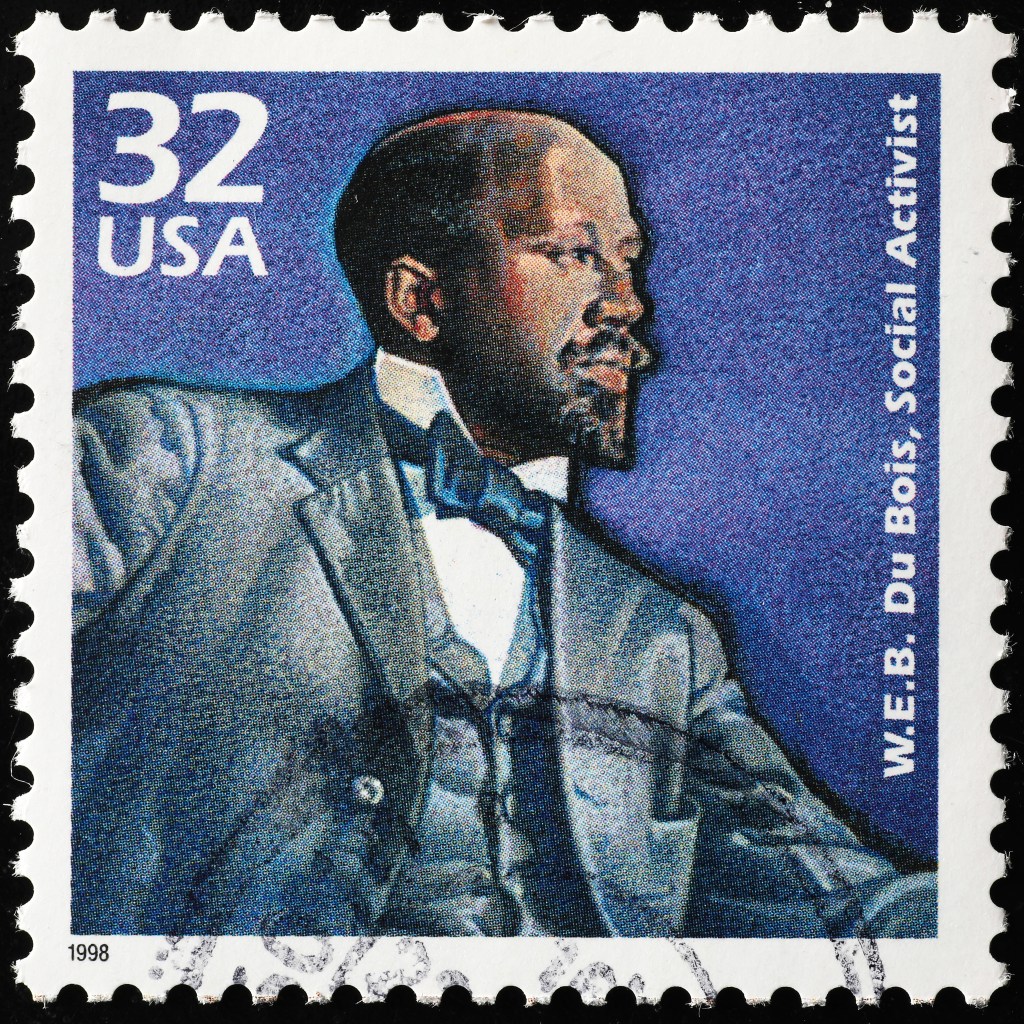
The tragic matter in this paper and the many others like it is that many black people today have no idea who W. E.B. DuBois was, or how he has influenced many contemporaries in the Black Lives Matter movement and false doctrines being established to build foundational work for socialism taking root in the present-day United States. Attacking local and state agencies is part of this agenda and must be considered by the aware, educated, and vigilant community counselor. Taking this a step further, the Christian counselor and the Christian law enforcement professional must remain aware and proactive. The reference to “black officers’ duality” (Preito-Hodge, 2023) provides a “toxic ethos” to anti-police and race-based labeling of black officers, many of whom will not agree or advocate such a blanket statement. Further, it is the position of this research that this concept of “duality” (Du Bois, 1903) presented by Du Bois (1903) is not only outdated but can and should be contested by contemporary “black folks” (Du Bois, 1903) as he referred to African Americans in the title and contents of his book on the topics. There are a few black leaders who still preach and teach from this crippling doctrine, but many black leaders are beginning to rise against the stereotyping and labeling that not only pits cultures against one another but provides a sort of “victim mentality” that handicaps community relations and the ability of black and white cultures from working together and building strong and meaningful alliances. The community counselor in this approach and program must be aware of these doctrines surfacing in the community and position advocates, alliances, and stakeholders so that they are able to work together for the betterment of everyone in the community. On its face, duality (Du Bois, 1903) seems to make some level of logical sense. In terms of socialism, as a philosophy and a doctrine, it certainly fits within the constructs of “class struggle,” but the wise counselor will seek to avoid these confrontations and focus on making peace and honoring all people in the community as healing and restoration are facilitated.
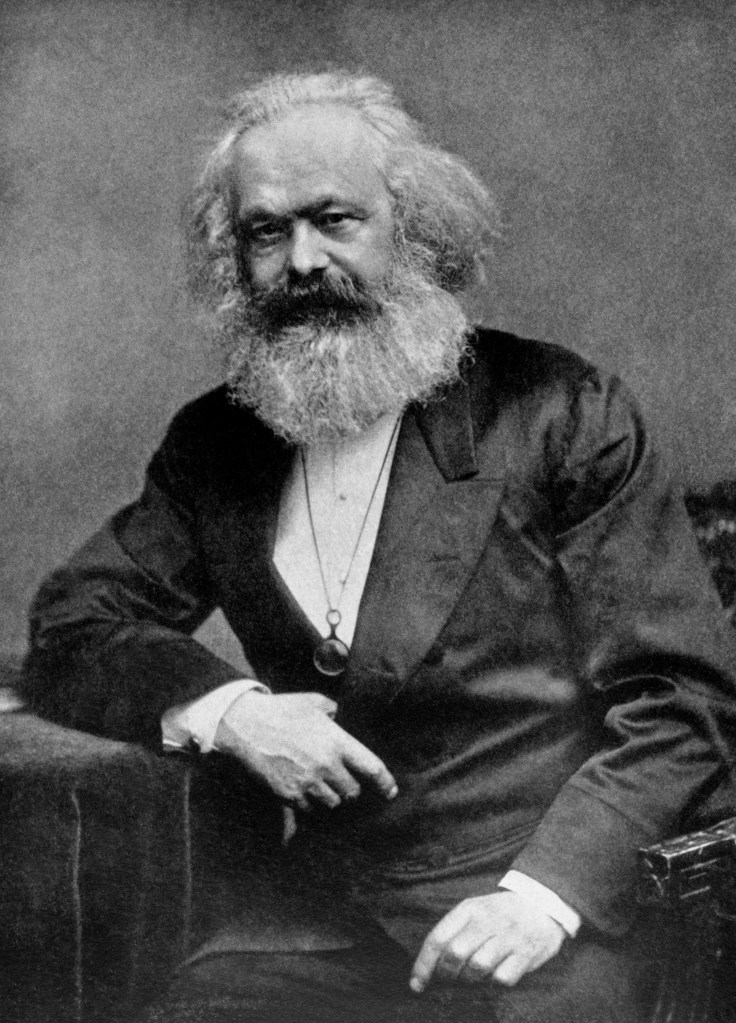
W. E. B. DuBois (1903) was an advocate of socialism and captured the minds and emotions of many African Americans around the turn of the 20th Century. He was a documented communist and he established the false notion that black people live with a “double consciousness.” The Christian community counselor will want to know more about this subtle tactic and also know that Dubois was greatly at odds with other great African-American men like Booker T. Washington and even the former freedom advocate, Frederick Douglass. Knowing truthful and accurate history has become critical in this struggle for law enforcement advocacy. This is an area that must be considered to ensure the program is not run off the rails by activists posing as social justice warriors.
Consider that Paul in his writing to the Colossians warned, “Beware lest anyone cheat you through philosophy and empty deceit, according to the tradition of men, according to the basic principles of the world, and not according to Christ. For in Him dwells all the fullness of the Godhead bodily; and you are complete in Him, who is the head of all principality and power“ (NKJB, 2019, Colossians 2: 8-10). We are all created in the image of God and as Paul states here, “we are all complete” in Christ.
Cross-Culture sensitivity may also be a possible barrier. Numerous cultures exist within this framework and approach. However, if the community counselor is careful to remain inclusive rather than exclusive and works toward all participants feeling and experiencing relevance in their participation, it is much more likely that culture will become a diverse strength rather than a risk.
Peer Support is an emerging discipline within the law enforcement profession. Not all states or agencies have moved to this level of crisis engagement and support for officers. It will be critical to begin programs with agencies that have demonstrated competence and skill in this discipline. Not all agencies are yet to this level and helping agencies to locate trainers and attend certifications will be a potential challenge.
This brings up another potential conflict that may exist between peer support advocates and professional, clinical counselors. These two disciplines must work together and generally can become symbiotic and complimentary to and with one another if egos and position are kept from entering the program. Awareness of this sensitivity will be important.
Conclusion
Professional knowledge of stress and the effects of PTSD are changing. There is currently a need to establish more current and a broader understanding of cumulative or what some might refer to as “routine stress” in the life of the law enforcement professional. Research clearly concludes that more research is needed. The lack of implemented programs also clearly demonstrates the need for practitioner-level community counselors to engage and implement strategies such as those discussed here, with the intent of gradually changing law enforcement self-help culture. In other words, police must become proactively engaged in mitigating stress as a lifestyle rather than as a post-incident intervention. While the research concludes there are some findings that post-incident psychological engagement is preferred over “excessive” pre-deployment methodologies (Maglione et al., 2022), there remains a conclusive body of emerging research that lifestyle and proactive strategies must be employed to counter the effects of job and community related stressors. Agencies must engage with the community to mitigate the effects of negative political pressures and stress points that are causing law enforcement professionals to leave their jobs at an alarming rate. The outcomes for post-incident and prolonged trauma have direct and indirect relationships to the development of Post-Traumatic Stress Disorder (PTSD). Surviving and overcoming the effects of PTSD have a direct relationship to the self-awareness and positive resiliency training that could be available if a program like this one was to be implemented.
This also provides a clear conclusive position that this problem of occupational stress, exacerbated by community pressures is not unique to any single agency. While there may be a few agencies across the United States that are relatively unaffected, the data demonstrates that most agencies and police personnel are dealing with stress at a higher rate than any time in the past, but also the tools to properly identify, mitigate, and heal stress injuries and PTSD are still being developed. There is emerging evidence that some of the approaches that are currently being taught to law enforcement to deal with stress management are outdated and maybe even benign as it relates to effectiveness.
The first place that any agency and any community must engage is in the evaluation of current curriculums, policies, and procedures. Just as the policing profession trains officers to survive in terms of conflict and combat, similar thought and action must be given to preparing, equipping, and training the mind and emotions of the officer. There is no way to create an effective program that involves a short window of time or that does not look at the professional culture as a whole.

This study concludes that relevant data may be collected and evaluated within a period of “months.” However, professionally considering all of the presented factors, a year to build a holistic program approach should be the minimum. This assessment takes the conclusive position that stress injuries and PTSD have become an epidemic problem in the law enforcement profession. If these dynamics are not appropriately engaged, the loss of officers on the job and the dwindling recruitment numbers may be signaling what could become a matter of Homeland and National Security.
Ideas for Future Research
The presented program can be launched in any state or jurisdiction across the United States. Several programs should be launched and evaluated while taking the results to a more refined level. A much deeper understanding is needed with respect to the use of tools like post incident debriefings that focus on the psychological implications of the incident. EMDR and leadership knowledge of its use and deployment should be considered, and a test community of agencies should consider formal post incident EMDR and documentation. This data is critical to moving past the erroneous teachings of some well-meaning contemporaries in the law enforcement training communities who continue to peddle outdated approaches.
Churches have not historically engaged with police agencies as they are scripturally required to do, which has subsequently created a less than congenial relationship between many churches and government law enforcement agencies. While there is legitimate rationale for this, it would be helpful to organize a formalized approach that could be documented whereby community churches sponsor deliberately their police agencies and personnel. Data from this approach could be captured which could become significantly relevant in countering and creating buffers for police from current and future cultural attacks. An approach designed to further community relationships could provide a symbiotic “firewall” against outside political forces attacking police agencies and individuals in the future. Significant study to this approach and effort to initiate it should become a funding priority.
Law Enforcement is under attack and is in need of significant community support. The associated problems with individual and agency stress are almost universal. This is an opportunity for community counseling to accel and demonstrate value and legitimacy.
©2023 davidHENDERMAN
References
Anders, R., Willemin-Petignat, L., Salathé, C., Samson, A., & Putois, B. (2022). Profiling police forces against stress: risk and protective factors for post-traumatic stress disorder and burnout in police officers. International Journal of Environmental Research and Public Health, 19(15)https://doi.org/10.3390/ijerph19159218
Desrochers, A., Rouleau, I., Angehrn, A., Vasiliadis, H., Saumier, D., & Brunet, A. (2021). Trauma on duty: cognitive functioning in police officers with and without posttraumatic stress disorder (PTSD). European Journal of Psychotraumatology, 12(1)https://doi.org/10.1080/20008198.2021.1959117
DuBois, W. E. B. (2014). The souls of Black Folks. Millennium Publications.
Everly, G. S., & Lating, J. M. (2022). The Johns Hopkins guide to psychological first aid. Johns Hopkins University Press.
Gardner, A. M., & Scott, K. M. (2022, October). Census of state and Local Law Enforcement Agencies, 2018 – statistical tables. Bureau of Justice Statistics. Retrieved February 19, 2023, from https://bjs.ojp.gov/library/publications/census-state-and-local-law-enforcement-agencies-2018-statistical-tables
Grupe, D., McGehee, C., Smith, C., Francis, A., Mumford, J., & Davidson, R. (2021). Mindfulness training reduces PTSD symptoms and improves stress-related health outcomes in police officers. Journal of Police and Criminal Psychology, 36(1), 72-85. https://doi.org/10.1007/s11896-019-09351-4
Karatzias, T., Knefel, M., Maercker, A., Cloitre, M., Reed, G., Bryant, R., Ben-Ezra, M., Kazlauskas, E., Jowett, S., Shevlin, M., & Hyland, P. (2022). The network structure of ICD-11 disorders specifically associated with stress: adjustment disorder, prolonged grief disorder, posttraumatic stress disorder, and complex posttraumatic stress disorder. Psychopathology, https://doi.org/10.1159/000523825
Killikelly, C., Lorenz, L., Bauer, S., Mahat-Shamir, M., Ben-Ezra, M., & Maercker, A. (2019). Prolonged grief disorder: its co-occurrence with adjustment disorder and post-traumatic stress disorder in a bereaved Israeli general-population sample. Journal of Affective Disorders, 249, 307-314. https://doi.org/10.1016/j.jad.2019.02.014
Maglione, M., Chen, C., Bialas, A., Motala, A., Chang, J., Akinniranye, O., & Hempel, S. (2021). Combat and operational stress control interventions and PTSD: a systematic review and meta-analysis. Military Medicine, https://doi.org/10.1093/milmed/usab310
Malik, A. (2023, February 10). Gwinnett Hits 26% police officer vacancy rate amid hostile climate. ajc. Retrieved February 19, 2023, from https://www.ajc.com/news/gwinnett-hits-26-police-officer-vacancy-rate-amid-hostile-climate/DUGGV2ZZ4JBQJFW2SVQRPTJKGA
Merriam-Webster. (n.d.). Hail definition & meaning. Merriam-Webster. Retrieved February 28, 2023, from https://www.merriam-webster.com/dictionary/hail#:~:text=%3A%20to%20greet%20with%20enthusiastic%20approval,greet%20or%20summon%20by%20calling
New King James Bible (NKJB). (2019). The MacArthur Study Bible (2nd ed.). Thomas Nelson. Original work published 1982, King James Bible, 1611)
Preito-Hodge, K. (2023). Behind the badge and the veil: Black police officers in the era of Black Lives Matter. Psychology of Violence. https://doi.org/10.1037/vio0000462
Sungwon Park, Hyungkyung Kim, Min Kyeong Jang, Hyungsub Kim, Rebecca Raszewski & Ardith Z. Doorenbos (2023) Community-based death preparation and education: A scoping review, Death Studies, 47:2, 221-230, DOI: 10.1080/07481187.2022.2045524
Usher, Laura, Stefanie Friedhoff, Sam Cochran, and Anand Pandya. (2016) Preparing for the Unimaginable: How Chiefs Can Safeguard Officer Mental Health Before and After Mass Casualty Events. Washington, DC: Office of Community Oriented Policing Services.
Weaver, C. (2021, March 12). Documenting the traumas of First Responders. NAMI. Retrieved February 19, 2023, from https://www.nami.org/Blogs/NAMI-Frontline-Wellness/2021/Documenting-the-Traumas-of-First-Responders
Wróbel-Knybel, P. Flis, M., Rog, J., Jalal, B., Wołkowski, L., Karakuła-Juchnowicz, H. (2022). Characteristics of Sleep Paralysis and Its Association with Anxiety Symptoms, Perceived Stress, PTSD, and Other Variables Related to Lifestyle in Selected High Stress Exposed Professions. International Journal of Environmental Research and Public Health, 19(13), 7821. MDPI AG, http://dx.doi.org/10.3390/ijerph19137821
©2023 davidHENDERMAN

